The Village Above the Sea
Village Overview

The Village
Above the Sea

Corniglia doesn't greet you at sea level like its neighbors. It sits 100 meters above the waves, connected to the train station by 377 steps that have sorted visitors since 1876. Those who climb discover what the others miss: a village that kept its agricultural soul.

The Elevated Village

Corniglia is the only village of the five without a harbor—and that fact shaped everything. While the others looked to the sea, Corniglia looked to the terraces. Wine, not fish, built this village. The elevation that isolates it also protected it.

The stairs change everything. The 377 steps of the Lardarina stairway aren't just transportation—they're a filter. Cruise ship passengers with tight schedules skip Corniglia. Day-trippers in a hurry move on to easier villages. What remains is quieter, more intentional, more authentic.

The terraces define the landscape. Roman settlers recognized this promontory's perfect southern exposure and built the first terraces for wine. Two millennia later, those terraces still produce grapes—and walking among them feels like walking through history.

The village is compact. Via Fieschi runs through the center, connecting piazza to terrace overlook. Everything important happens along this spine: morning coffee, afternoon gelato, evening aperitivo, the small exchanges that make village life.

The views reward the climb. From Largo Taragio, you can see north to Vernazza, south toward Manarola, and across the water toward places that feel impossibly far from this quiet hilltop.

Hidden Gems 6 min read

Corniglia, The Village Above the Clouds

Corniglia rewards those who make the climb. Perched high on a rocky promontory, this is the only Cinque Terre village without direct sea access, yet its panoramic views and peaceful streets make every step worthwhile.

Elena Moretti

Elena Moretti – the voice of Corniglia

Oct 20, 2023

Giulia's Traveler Intelligence
Corniglia Essentials 2026

Today's atmosphere and real-time details, grounded in Corniglia's hilltop serenity

Today & Conditions

  • Weather
    21°C, cool breeze
  • Sea Temperature
    20°C
  • Sea Conditions
    View from above
  • Sunset
    20:46

Travel Experience

  • Crowd Rhythm
    Peaceful all day
  • Best Felt
    Walking slowly, looking up
  • Village Shape
    Compact and cozy
  • Food & Wine
    Honey, focaccia, local wine

Character

  • Origins
    Named for Roman family
  • Shaped By
    Steps, vines, solitude
  • Traveler Rating
    4.5/5 on Google
  • Remembered For
    "The quiet one"
5 Hidden Gelaterias You Need to Try Food

5 Hidden Gelaterias You Need to Try

Skip the tourist traps and find the real deal.

Marco Bianchi
Marco Bianchi • Oct 14, 2023
A Photographer's Guide to Manarola at Sunset Photography

A Photographer's Guide to Manarola at Sunset

Best angles and times for that perfect shot.

Elena Moretti
Elena Moretti • Oct 12, 2023
Hiking the Blue Trail: What to Expect Guides

Hiking the Blue Trail: What to Expect

Difficulty levels, closures, and scenic stops.

Luca Verdi
Luca Verdi • Oct 10, 2023
Where to Stay: Hotel vs. Airbnb Hotels

Where to Stay: Hotel vs. Airbnb

Pros and cons for every type of traveler.

Sofia Neri
Sofia Neri • Oct 08, 2023
Day Trip to Portovenere Guides

Day Trip to Portovenere

Why you should visit the 'sixth village'.

Giulia Rossi
Giulia Rossi • Oct 05, 2023
Local Festivals in November News

Local Festivals in November

What's happening in the off-season.

Marco Bianchi
Marco Bianchi • Oct 01, 2023
The Lardarina Climb Arrival Experience
Corniglia

The Lardarina Climb

"377 steps zigzag up from the station—each switchback revealing more of the coastline until you emerge at the village gates."

Built in 1876 when the railway arrived, the Lardarina transforms arrival into ritual. There are benches at intervals for catching your breath and appreciating how far you've come. Fifteen minutes of effort earns entrance to a village that tourist buses can't reach.

Where the climb becomes the welcome
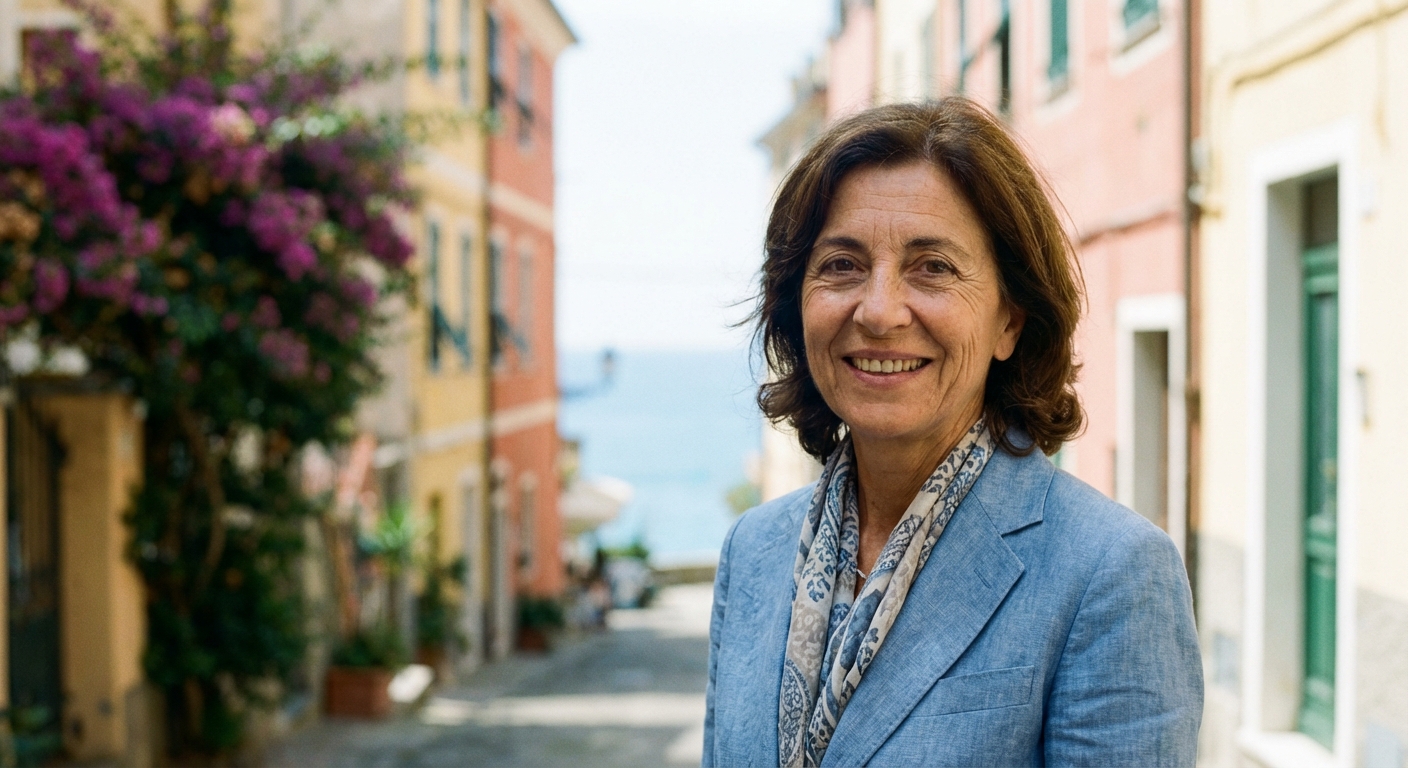
Giulia Rossi
Local Perspective
"I've climbed these stairs thousands of times, and I still pause at the top to appreciate the view. Tourists ask if there's an easier way—there's a small shuttle bus, but it runs irregularly and misses the point. The climb is how Corniglia wants to be entered."

Giulia Rossi — Riomaggiore Expert

Essential Information

Location Map

Practical Details

Type
Arrival Experience
Editorial Interlude

The Village Without a Harbor

"Every other Cinque Terre village has a harbor—boats, swimming, the constant presence of the sea at close range. Corniglia's relationship with the water is different: visible but distant, admired but not touched. This creates a different rhythm, one focused on land rather than sea."

Via Fieschi Village Heart
Corniglia

Via Fieschi

"The main street threads through the village—alimentari, bars, and the quiet rhythm of daily life happening in the narrowest of spaces."

Via Fieschi isn't scenic in the postcard sense. It's a working street where locals shop, children play, and life happens. The alimentari stocks what families need, the bars serve morning coffee to the same faces, and the afternoon quiet is real, not staged.

Where the village lives

Giulia Rossi
Local Perspective
"My grandmother knew everyone on Via Fieschi. I still know most of them. The village is small enough that anonymity doesn't exist—a blessing when you need help, a constraint when you want privacy. This is how villages work."

Giulia Rossi — Riomaggiore Expert

Essential Information

Location Map

Practical Details

Type
Village Heart
Largo Taragio Panoramic Terrace
Corniglia

Largo Taragio

"The main terrace opens to 360-degree views—north to Vernazza, south toward the sea, and across terraces that seem to cascade into infinity."

This is where visitors end up, cameras in hand, trying to capture what cameras can't. The light changes constantly—morning mist, midday brilliance, golden sunset, moonlit silver. Each visit to the same spot reveals a different coastline.

Where horizons extend forever

Giulia Rossi
Local Perspective
"I come here at different hours just to see how the view changes. Dawn is spectacular but requires commitment. Sunset is crowded but worth sharing. The best hour is the one after sunset, when visitors leave and locals reclaim the terrace."

Giulia Rossi — Riomaggiore Expert

Essential Information

Location Map

Practical Details

Type
Panoramic Terrace
The Wine Heritage

The Romans called this wine 'cornelia' and shipped it across the empire. Two thousand years later, the terraces they built still produce grapes, and Corniglia still defines itself by viticulture more than any other village.

Sciacchetrà is the treasure. This dessert wine, made from grapes dried on the terraces, represents centuries of accumulated knowledge. Production is tiny—a few hundred bottles per family—and tasting it here means understanding what the landscape produces.

The terraces require constant work. Every dry-stone wall needs maintenance. Every storm damages something. The families who maintain these terraces do work that machines can't do, on slopes that defy logic.

Wine shapes the calendar. Pruning in spring, watching in summer, harvest in September. The village's rhythm follows the vines, not the tourist season. Visiting during harvest means seeing Corniglia as it's always been.

Local wine is everywhere. The bars pour wine from families who live in the village. The restaurants serve bottles made on the terraces visible through their windows. The connection between glass and land is immediate.

Local Wisdom

The Quiet Village Secret

"Corniglia's visitors tend to be different—less hurried, more curious, willing to climb. The stairs filter out the cruise ship crowds. What remains is calmer, more conversational, more like what the village was before tourism."

Wine Tasting Local Experience
Corniglia

Wine Tasting

"Stone cellars carved into the hillside hold the village's liquid heritage—wines you can't find elsewhere, made by families you might meet."

Cantina de Mananan offers tastings in a cellar that's been storing wine for centuries. The Cinque Terre DOC whites are crisp and mineral; the rare Sciacchetrà is golden, complex, worth the splurge. The explanations connect each glass to specific terraces visible outside.

Where terraces become wine

Giulia Rossi
Local Perspective
"I grew up thinking everyone had a cantina full of wine. It wasn't until I left that I understood how unusual this is—families making their own wine from their own terraces, as they've done for generations. The tastings here share something precious."

Giulia Rossi — Riomaggiore Expert

Essential Information

Location Map

Practical Details

Type
Local Experience
Terrace Walking Landscape Immersion
Corniglia

Terrace Walking

"The paths between terraces offer perspectives the main trails miss—intimate encounters with dry-stone walls, vines, and the engineering genius of centuries."

You can walk the main Sentiero Azzurro or explore the secondary paths that wind through active vineyards. The secondary paths are quieter, steeper, and more revealing. You'll pass farmers at work, encounter tools unchanged since Roman times, and understand why UNESCO protected this landscape.

Where history is still being worked

Giulia Rossi
Local Perspective
"The tourist trail is beautiful but sanitized. The real landscape is the working one—the terraces where my neighbors still grow grapes, the walls they repair every winter, the paths worn by generations of farmers. Ask permission before entering private terraces, and most families will let you explore."

Giulia Rossi — Riomaggiore Expert

Essential Information

Location Map

Practical Details

Type
Landscape Immersion
A Final Reflection

The Village That Makes You Earn It

Corniglia isn't for everyone, and it knows this. The stairs, the elevation, the lack of a beach—these aren't flaws to be overcome but characteristics to be appreciated. The village has chosen what kind of visitors it wants.

Come prepared to climb. Come prepared to slow down. Come prepared to taste wines from terraces you can see, to eat food from gardens you can visit, to experience a village that still works the way villages worked for centuries.

The 377 steps are an invitation, not an obstacle. Those who accept discover Corniglia's secret: that the hardest village to reach is often the most rewarding to find.