Weather From Above
Weather Guide

Weather
From Above

At 100 meters elevation, Corniglia experiences weather differently from the coastal villages below. The height brings cooler breezes, clearer air, and light that photographers travel to capture. Understanding the seasons means knowing when to come.

The Elevated Climate

Corniglia's position changes everything about its weather. When coastal villages swelter in summer heat, the hilltop catches breezes that make evenings pleasant. When morning mist shrouds the sea, Corniglia often sits above it in sunshine.

The elevation advantage is real. Two to three degrees cooler than sea-level villages in summer. Better air circulation. Views that extend further because you start higher. The climb up the Lardarina is compensated by the climate once you arrive.

Mediterranean patterns apply. Hot dry summers, mild wet winters, spring and fall perfection. The rain comes primarily November through February. Summer drought is normal—don't expect green terraces in August.

Microclimates within microclimates. South-facing terraces bake in afternoon sun. Shaded alleys stay cool. The viewpoint catches wind that the village center doesn't. Position matters as much as season.

Weather affects everything. When it rains, the Lardarina steps become slippery. Hot days mean climbing early or late. The best photos happen in specific light. Weather isn't just context—it shapes the experience.

Spring (March-May) Ideal Conditions
Corniglia

Spring (March-May)

"The terraces bloom, temperatures perfect for hiking, crowds still manageable—spring is when Corniglia reveals itself most gently."

Temperatures range 15-22°C—warm enough for terraces, cool enough for climbing. Wildflowers blanket the slopes. Occasional rain keeps everything green. The light has clarity that summer haze obscures. April and May are ideal months.

When the landscape awakens
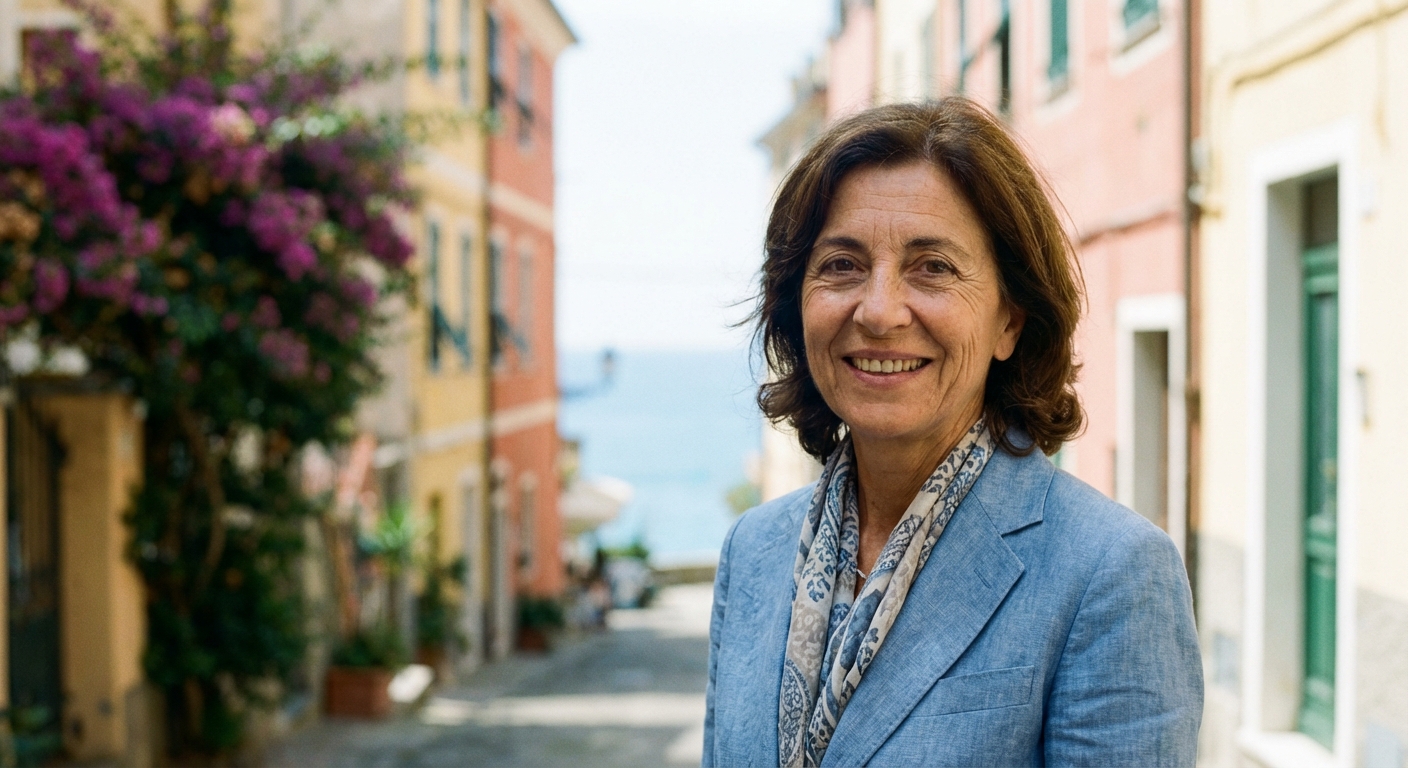
Giulia Rossi
Local Perspective
"Spring is when I fall in love with Corniglia again. After winter's quiet, everything comes alive. The terraces show every shade of green. The air smells of wild herbs. And you can climb the stairs at noon without suffering."

Giulia Rossi — Riomaggiore Expert

Essential Information

Location Map

Practical Details

Type
Ideal Conditions
Editorial Interlude

The Elevation Effect

"Those 100 meters matter more than you'd think. On the hottest August days, Corniglia is genuinely cooler than Riomaggiore or Monterosso. The breezes that die at sea level still reach our terraces. The morning mist that shrouds the coast often stops below us. Elevation is comfort."

Summer (June-August) Peak Season
Corniglia

Summer (June-August)

"Hot but elevated—Corniglia's summer is more bearable than the coast, with long evenings that reward the day's endurance."

Temperatures reach 28-32°C at peak, but the elevation provides relief the coast lacks. Sea breezes climb the hill. Evenings cool beautifully. The sun is intense—shade becomes precious, morning and evening become the active hours.

When timing becomes essential

Giulia Rossi
Local Perspective
"Summer requires strategy. Climb early, rest at midday, emerge for aperitivo when the light turns gold. The tourists who climb at noon suffer unnecessarily. We've always known to work with the heat, not against it."

Giulia Rossi — Riomaggiore Expert

Essential Information

Location Map

Practical Details

Type
Peak Season
Autumn (September-November) Harvest Beauty
Corniglia

Autumn (September-November)

"The grape harvest, golden light, comfortable temperatures—autumn is perhaps Corniglia's finest season."

September maintains summer warmth (22-26°C) without summer crowds. October brings harvest and the changing light that photographers prize. November starts the transition—cooler, wetter, quieter. The terraces turn from green to gold.

When the village works

Giulia Rossi
Local Perspective
"Autumn is when the village is most itself. The harvest dominates everything—we're working, celebrating, living the purpose of these terraces. The visitors who come now understand why we're here. The light... there's nothing like autumn light on the terraces."

Giulia Rossi — Riomaggiore Expert

Essential Information

Location Map

Practical Details

Type
Harvest Beauty
What to Bring

Packing for Corniglia means packing for Mediterranean weather plus elevation plus stairs. The combination creates specific needs that generic travel advice misses.

Layers are essential. Mornings can be cool, afternoons warm, evenings breezy. The ability to adjust throughout the day matters more than any single perfect outfit.

Sun protection is serious. The terrace exposure means intense sun. Hat, sunscreen, sunglasses—these aren't optional. The light that makes photos beautiful also burns.

Good shoes are non-negotiable. The Lardarina stairs, the terrace paths, the village cobblestones—you'll walk on uneven surfaces constantly. Support and grip matter.

Rain gear in shoulder seasons. Spring and fall bring occasional showers. A compact jacket or umbrella avoids surprises.

Local Wisdom

Reading the Weather

"We watch the horizon, not the forecast. When clouds build over the sea, rain follows in hours. When the morning is hazy, the afternoon will be hot. When the wind shifts to the south, weather is changing. The old ways of reading sky and sea still work here."

Winter (December-February) Quiet Season
Corniglia

Winter (December-February)

"The village at its quietest—some businesses close, storms can be dramatic, but those who come find something authentic."

Temperatures range 8-14°C—mild by northern standards but brisk by Mediterranean expectations. Rain is common; storms can be spectacular. Some restaurants and accommodations close. What remains is the village living for itself.

When the village rests

Giulia Rossi
Local Perspective
"Winter is when Corniglia belongs to us again. The visitors leave, the village contracts to its core. We repair walls, prune vines, gather in the bar. It's not for tourists who want entertainment—it's for those who want truth."

Giulia Rossi — Riomaggiore Expert

Essential Information

Location Map

Practical Details

Type
Quiet Season
The Perfect Week Best Timing
Corniglia

The Perfect Week

"If you could choose any week—late May or mid-September, when everything aligns."

Late May offers spring's final flourish: flowers still blooming, temperatures ideal (18-24°C), crowds not yet peaked, light spectacular. Mid-September brings harvest energy, summer's warmth without summer's heat, and the golden light that defines Cinque Terre photography.

When everything aligns

Giulia Rossi
Local Perspective
"When friends ask when to visit, I say late May or mid-September without hesitation. These weeks offer what the others can't—perfect weather, manageable crowds, and the village at its most alive. Plan around these windows if you can."

Giulia Rossi — Riomaggiore Expert

Essential Information

Location Map

Practical Details

Type
Best Timing
A Final Reflection

Weather as Guide

Corniglia's weather isn't just backdrop—it shapes what you can do, what you'll see, how the village feels. Understanding the patterns means working with them rather than against them.

Come in the right season for your purposes. Spring for hiking and wildflowers. Summer for long evenings and sea access. Autumn for harvest and photography. Winter for solitude and authenticity. Each has its rewards.

And accept that weather changes, plans adjust, and sometimes the unexpected day—the storm that clears to rainbow, the fog that lifts to reveal everything—becomes the one you remember.