The Wine Village
Village Overview

The Wine
Village

Manarola is what happens when Romans decide a vertical cliff is perfect for vineyards. Two thousand years later, the terraces remain—impossibly steep, stubbornly productive, and more photogenic than any village has a right to be.

Understanding Manarola

Every visitor to Cinque Terre knows the photo: pastel houses stacked on a cliff, reflected in still water, sunset turning everything gold. That photo is Manarola. What it doesn't show is a village that still produces some of Italy's rarest wine.

The Romans started this. They recognized what the steep southern exposure and Mediterranean breeze could do for grapes. They carved the first terraces, built the first stone walls without mortar, planted the first vines. The wine village identity predates everything else.

Three hundred people live here. In a village you can cross in five minutes, that number feels correct. Everyone knows everyone. The baker knows your grandmother's maiden name. The priest knows whose boat had a good catch. Anonymity is impossible.

The compactness creates intimacy. Riomaggiore and Vernazza feel like small towns. Corniglia feels isolated. Monterosso feels like a resort. Manarola feels like a family gathering you weren't sure you were invited to—but they set a place for you anyway.

The sunset reputation is earned. The village faces west-northwest. The harbor creates a natural amphitheater. The pastel facades catch light in ways photography cannot quite capture. Whatever you've heard about Manarola sunsets—it's undersold.

Wine & Culture 7 min read

Manarola, The Wine-Maker's Paradise

Manarola enchants with its dramatic cliffs and ancient wine terraces. The village's famous Sciacchetrà wine has been produced here for centuries, while the harbor creates one of Italy's most iconic vistas at sunset.

Marco Bianchi

Marco Bianchi – the voice of Manarola

Oct 18, 2023

Giulia's Traveler Intelligence
Manarola Essentials 2026

Today's atmosphere and real-time details, grounded in Manarola's winemaking heritage

Today & Conditions

  • Weather
    22°C, partly cloudy
  • Sea Temperature
    20°C
  • Sea Conditions
    Gentle waves
  • Sunset
    20:45

Travel Experience

  • Crowd Rhythm
    Sunset rush, morning calm
  • Best Felt
    With a glass of Sciacchetrà
  • Village Shape
    Terraced and tumbling
  • Food & Wine
    Wine-forward, seafood rich

Character

  • Origins
    Roman-era foundations
  • Shaped By
    Wine, waves, wanderers
  • Traveler Rating
    4.8/5 on Google
  • Remembered For
    "The perfect sunset"
5 Hidden Gelaterias You Need to Try Food

5 Hidden Gelaterias You Need to Try

Skip the tourist traps and find the real deal.

Marco Bianchi
Marco Bianchi • Oct 14, 2023
A Photographer's Guide to Manarola at Sunset Photography

A Photographer's Guide to Manarola at Sunset

Best angles and times for that perfect shot.

Elena Moretti
Elena Moretti • Oct 12, 2023
Hiking the Blue Trail: What to Expect Guides

Hiking the Blue Trail: What to Expect

Difficulty levels, closures, and scenic stops.

Luca Verdi
Luca Verdi • Oct 10, 2023
Where to Stay: Hotel vs. Airbnb Hotels

Where to Stay: Hotel vs. Airbnb

Pros and cons for every type of traveler.

Sofia Neri
Sofia Neri • Oct 08, 2023
Day Trip to Portovenere Guides

Day Trip to Portovenere

Why you should visit the 'sixth village'.

Giulia Rossi
Giulia Rossi • Oct 05, 2023
Local Festivals in November News

Local Festivals in November

What's happening in the off-season.

Marco Bianchi
Marco Bianchi • Oct 01, 2023
The Terraces Cultural Landscape
Manarola

The Terraces

"Two thousand years of agricultural engineering—stone walls holding soil on slopes that shouldn't grow anything."

The terraced vineyards above Manarola represent perhaps the most ambitious agricultural project per square meter in European history. Dry-stone walls, built without mortar, hold thin ribbons of soil on slopes exceeding 45 degrees. The grapes that grow here become Cinque Terre's DOC wines and the legendary Sciacchetrà.

Where stubbornness becomes heritage
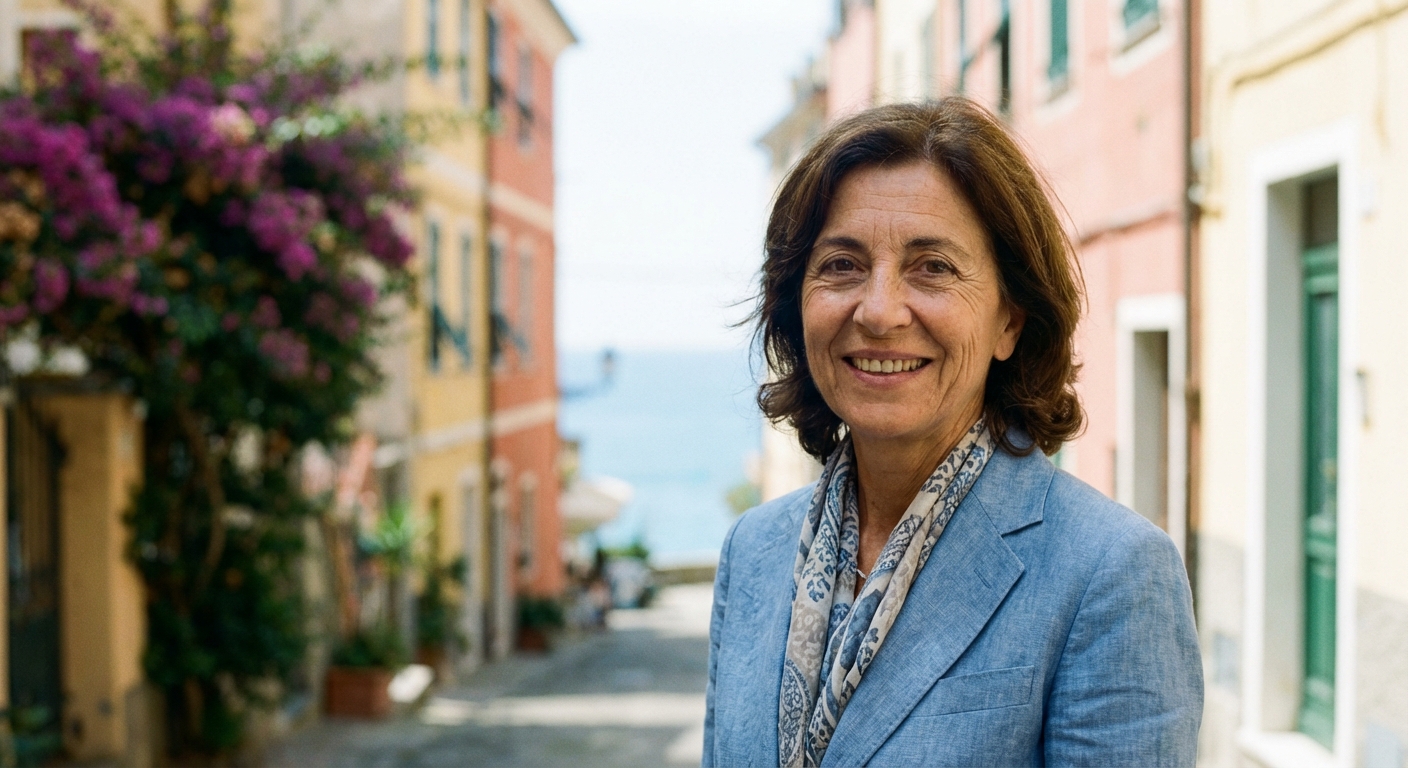
Giulia Rossi
Local Perspective
"My cousin tends terraces his family has worked since the 1600s. The documentation exists. That's over fifteen generations on the same strip of land. When he talks about the vines, he talks about his ancestors. They're the same thing to him."

Giulia Rossi — Riomaggiore Expert

Essential Information

Location Map

Practical Details

Type
Cultural Landscape
Editorial Interlude

The Wine You Cannot Buy

"Sciacchetrà is Manarola's treasure—a dessert wine made from grapes dried for months, concentrated to sweetness, aged for years. Production is tiny. Most never leaves the valley. A bottle costs €50-100 and up. The ones served at local trattorias, from family cellars, are priceless."

The Harbor Village Heart
Manarola

The Harbor

"A boat ramp carved into rock, fishing vessels in faded colors, and the viewing platform where everyone photographs the sunset."

Manarola's harbor is smaller than Riomaggiore's—just a boat ramp and some rocks for swimming. But the angle is perfect: the village rises behind you, the sea spreads before you, and at sunset, the whole scene turns to gold. This is where the famous photo happens.

Where the village meets the sea

Giulia Rossi
Local Perspective
"The swimming rocks get crowded by noon in summer. But at 7am, you'll share them with one old man who swims every morning, winter included. He's been doing it for sixty years. He doesn't talk much, but if you show up consistently, he'll nod at you."

Giulia Rossi — Riomaggiore Expert

Essential Information

Location Map

Practical Details

Type
Village Heart
The Nativity Christmas Tradition
Manarola

The Nativity

"The world's largest illuminated nativity scene—300 figures on a hillside, visible from the sea."

Every December, a local retired railway worker named Mario Andreoli creates something impossible: 300 luminous figures spread across the terraced hillside above the village. It began in 1961 with a few lights. Now it draws visitors from across Europe. When Mario dies, no one knows if it will continue.

One man's gift to the world

Giulia Rossi
Local Perspective
"I grew up with Mario's nativity. It's just part of December—the lights go on, Christmas is coming. But visitors don't realize: one man does this. Every year. He's in his eighties now. Every figure is handmade. When he's gone, something irreplaceable leaves with him."

Giulia Rossi — Riomaggiore Expert

Essential Information

Location Map

Practical Details

Type
Christmas Tradition
The Village Day

Manarola has a rhythm. Fight it and you'll exhaust yourself. Follow it and you'll understand why people have chosen to live on this impossible cliff for two thousand years.

Morning belongs to locals. Fishermen are out early. The bakery opens at 7. The first trains bring the first tourists around 9. Before that, the village is quiet, unhurried, itself.

Midday brings the crowds. From 10am to 5pm in summer, the harbor fills with day-trippers. The restaurants are busy. The swimming rocks are packed. This is when Manarola performs for visitors.

Evening is the reward. As the day-trippers leave, the village exhales. The restaurants get quieter, more intimate. The sunset crowd gathers on the viewing platform. The light turns golden, then amber, then rose.

Night reveals the real village. After 10pm, Manarola shrinks to its residents and overnight guests. Wine on a terrace. Quiet conversations. Stars over water. This is what you came for.

Local Wisdom

The Crowd Question

"Yes, Manarola is crowded in summer. Yes, the harbor platform fills with photographers at sunset. Yes, you'll wait for tables. But at 7am, you'll have it to yourself. After 9pm, you'll feel like a local. The crowds exist. They can be avoided."

Why Choose Manarola Village Character
Manarola

Why Choose Manarola

"Each village has its personality. Here's what Manarola offers that the others don't."

Manarola is for wine lovers, sunset chasers, photographers, and those who want intimate scale. It lacks Monterosso's beach and Riomaggiore's convenience. It's more crowded than Corniglia. It's smaller than Vernazza. But its combination of wine culture, photogenic beauty, and perfect sunset views is unmatched.

The village that became the icon

Giulia Rossi
Local Perspective
"If you want to swim, go to Monterosso. If you want the easiest logistics, stay in Riomaggiore. If you want hiking, base yourself in Corniglia. But if you want to understand why Cinque Terre became famous—that perfect image of colored houses on cliffs—you want Manarola."

Giulia Rossi — Riomaggiore Expert

Essential Information

Location Map

Practical Details

Type
Village Character
The Scale Advantage Practical Reality
Manarola

The Scale Advantage

"You can walk from one end of Manarola to the other in five minutes. That's not a limitation—it's a feature."

Small means you can't get lost. It means every restaurant is walking distance. It means you'll recognize faces after a day. The limitation becomes intimacy becomes connection. By your second evening, the barista knows your order. By your third, you feel like you belong.

Where small becomes sufficient

Giulia Rossi
Local Perspective
"Visitors worry Manarola is 'too small.' They imagine running out of things to do. The opposite is true. Small means you can slow down. You don't need to rush between sights. You can spend an hour watching boats and not feel you're missing something."

Giulia Rossi — Riomaggiore Expert

Essential Information

Location Map

Practical Details

Type
Practical Reality
A Final Reflection

The Wine Village Welcomes

Manarola doesn't try to be everything. It doesn't have Monterosso's beach or Riomaggiore's easy access. It's not the hiking hub or the party village. It's the wine village—the one where sunset matters, where the scale is human, where the terraces tell a two-thousand-year story.

Come for the photograph everyone knows. Stay for the village behind it. Taste the wine that never leaves the valley. Watch the light change. Let the smallness become comfort.

The terraces have waited two thousand years. They can wait for you.