Everything is the Sight
Village Sights

Everything
is the Sight

Most villages have sights—specific buildings to visit, monuments to photograph. Manarola is different. The village itself is the sight. Every corner offers something worth seeing. The challenge is not finding attractions—it's slowing down enough to see what's everywhere.

The Sight Philosophy

Tourists arrive with lists: visit this church, see that viewpoint, photograph this angle. Locals have no such lists. Everything is familiar, and therefore everything is worth seeing. Try to see like a local—where nothing is a sight because everything is.

The village is the monument. UNESCO didn't protect specific buildings—they protected the relationship between settlement, terraces, and sea. The sight is the system: stone walls enabling vineyards, vineyards producing wine, wine sustaining families who maintain walls.

Scale creates intimacy. You can see the entire village from multiple points. This compression means details reward attention: a carved doorway, a laundry line between windows, the way morning light hits a particular facade.

The colors are functional. Those Instagram-famous pastel houses weren't painted for aesthetics. Fishermen needed to identify their homes from the sea. Beauty emerged from necessity. The prettiest village in Cinque Terre is also the most practical.

The layers reveal themselves slowly. First visit, you see the obvious: harbor, church, viewpoint. Second visit, you notice the alleys between buildings. Third visit, you start to see how water, stone, and human persistence created this place.

Chiesa di San Lorenzo Sacred Architecture
Manarola

Chiesa di San Lorenzo

"Gothic parish church from 1338—the spiritual center where village life has gathered for seven centuries."

San Lorenzo sits elevated above the harbor, its bell tower visible from anywhere in the village. The rose window catches afternoon light. Inside, marble columns from Carrara support a space that has witnessed baptisms, weddings, and funerals of families who've lived here for generations. Not a museum—a working church.

Where faith meets persistence
Giulia Rossi
Local Perspective
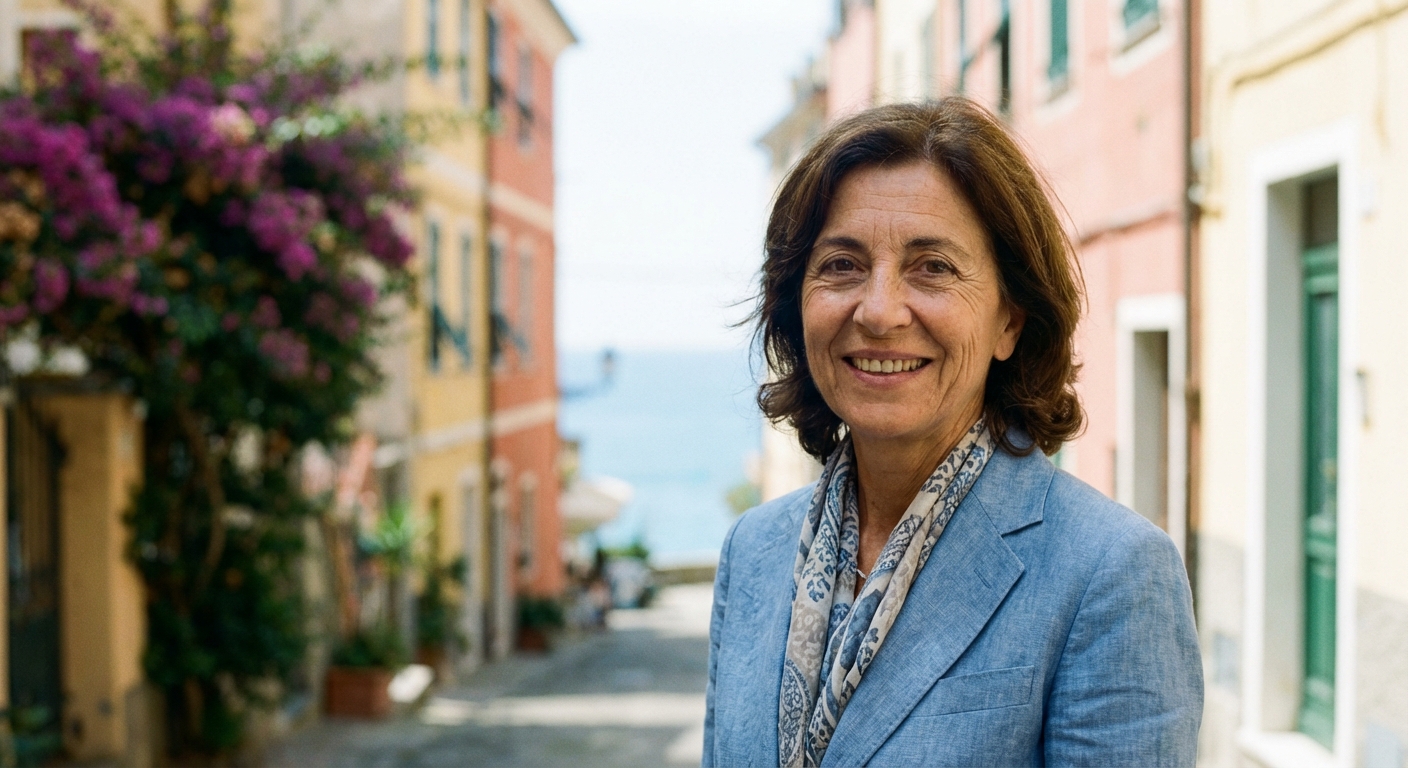
"My family has been baptized, married, and buried here for as long as records exist. When you visit San Lorenzo, you're not touring—you're standing where village life has happened for centuries. The building matters less than what it holds."

Giulia Rossi — Riomaggiore Expert

Essential Information

Location Map

Practical Details

Type
Sacred Architecture
Editorial Interlude

The Photography Crowd

"At sunset, the viewpoint fills with photographers fighting for position. This is understandable—the light is extraordinary. But consider: the village looks beautiful all day. Morning light reveals different colors. Midday creates different shadows. The golden hour is special, but it's not the only hour."

Punta Bonfiglio Viewpoint The Photograph
Manarola

Punta Bonfiglio Viewpoint

"The spot that launched a thousand postcards—where the entire village becomes composition."

From this rocky promontory, Manarola's colored houses stack in perfect arrangement against sea and sky. This is where the famous photo happens—the one everyone recognizes, the one that sells calendars and fills Instagram feeds. Arrive at golden hour for the light that makes the image.

Where the village becomes art

Giulia Rossi
Local Perspective
"I don't photograph from here anymore—I've taken that shot too many times. But I still go to watch others discover it. The moment when visitors see the full village for the first time, laid out like a painting—that wonder never gets old, even secondhand."

Giulia Rossi — Riomaggiore Expert

Essential Information

Location Map

Practical Details

Type
The Photograph
The Terraced Vineyards Living Landscape
Manarola

The Terraced Vineyards

"Two thousand years of stone walls holding soil on impossible slopes—the engineering that made this village possible."

Above Manarola, terraces climb toward the ridge. Dry-stone walls, built without mortar, create narrow flat surfaces where grapes can grow. This is the UNESCO heritage: not just the village, but the agricultural system that sustains it. Walking these paths reveals the scale of human labor accumulated over millennia.

Where labor becomes landscape

Giulia Rossi
Local Perspective
"Every visitor should walk through the terraces at least once. From below, they look picturesque. From within, they reveal the work—the constant repair, the backbreaking maintenance, the stubbornness required to farm vertical cliffs. That understanding changes how you see the village."

Giulia Rossi — Riomaggiore Expert

Essential Information

Location Map

Practical Details

Type
Living Landscape
The Hidden Village

The obvious sights draw crowds. The hidden ones reward exploration. In a village this small, hidden doesn't mean far—it means off the obvious path.

The upper village climbs above the tourist zone. Narrower streets, fewer shops, more laundry lines, more actual life. The higher you go, the less visited the views become—and the better they often are.

The oratorio dei Disciplinanti hides a few steps from San Lorenzo. This 15th-century chapel contains frescoes most visitors never see. Ask at the church for access.

The fishing infrastructure around the marina—winches, ramps, storage areas—represents working heritage that predates tourism. Watch where and how boats are handled to understand the village's oldest purpose.

The cemetery sits above the village with views across the coast. It's quiet, respectful, and offers perspectives on village history that no guidebook captures. The names on stones are the names on storefronts.

Local Wisdom

The Checklist Trap

"The tourists who rush through—church, viewpoint, harbor, done—miss everything. They saw the sights without seeing the village. Take less time with your checklist. Take more time with your eyes. The village reveals itself to those who linger, not those who hurry."

The Light Changes Temporal Sight
Manarola

The Light Changes

"The village looks different every hour—same buildings, different light, completely new experience."

Morning sun lights the eastern facades while western ones stay shadowed. Midday flattens everything. Afternoon sun reverses the pattern. Sunset turns everything amber. After dark, lights create new compositions. The same walk, taken at different times, reveals different villages.

When time becomes the attraction

Giulia Rossi
Local Perspective
"When visitors ask what to see, I tell them to see the same thing twice—once in morning, once at evening. The building doesn't change. The light changes everything. This is the real sight: not the village, but how the village transforms across the day."

Giulia Rossi — Riomaggiore Expert

Essential Information

Location Map

Practical Details

Type
Temporal Sight
The Detail View Looking Close
Manarola

The Detail View

"The grand views draw eyes outward. The details reward those who look close."

Carved lintels above doorways. Iron hardware rusted by centuries of salt air. Worn stairs shaped by thousands of climbing feet. Plants growing from cracks in stone walls. The village is made of details, and seeing them requires slowing down from the pace that photographs viewpoints.

Where attention finds stories

Giulia Rossi
Local Perspective
"My grandmother could tell family histories from doorway carvings. This family had a son who was a mason. That family was wealthy in the 1800s. She read the village like a text. I can't read it that well, but I try to see what she saw."

Giulia Rossi — Riomaggiore Expert

Essential Information

Location Map

Practical Details

Type
Looking Close
A Final Reflection

Seeing What's There

The best sight in Manarola is the one you're standing in front of right now. Not the famous viewpoint you're walking toward. Not the church you'll visit later. The alley, the doorway, the window you're passing—that's the sight.

A village this old and this beautiful cannot be adequately captured by a list of attractions. It can only be seen by those who slow down enough to actually look.

Leave time for aimless walking. Follow alleys that lead nowhere. Stand in one spot for longer than seems necessary. The village rewards patience with details that rushing visitors never see.