The Sky Decides
Weather Guide

The Sky
Decides

Manarola exists within the weather, not despite it. The Mediterranean climate shapes every activity—when to swim, when to hike, when to sit inside with wine and watch the sea turn grey. Understanding the seasons means understanding how to be here.

The Climate Reality

Visitors ask for the 'best weather' as if one answer exists. But ask what you want to do, and I'll tell you which weather makes that perfect. Swimming weather isn't hiking weather. Wine-tasting weather isn't beach weather. The Mediterranean offers variety, not perfection.

The mild baseline holds year-round. Temperatures rarely drop below 5°C in winter or exceed 32°C in summer. The sea moderates everything. What changes dramatically is the light, the crowds, and which activities the weather enables.

Microclimates matter. Manarola faces southeast, catching morning sun while the western cliffs hold afternoon shade. The harbor is warmer than the upper village. The terraces above can be ten degrees cooler than the waterfront.

The sea determines swimming. Water temperature matters more than air temperature. The Mediterranean reaches 24°C by August, stays swimmable through October, and takes until June to warm again. Early swimmers know: the air can be warm while the water isn't.

Rain concentrates in autumn. October and November bring the most precipitation—short, intense bursts rather than all-day drizzle. These storms can be spectacular, watching from a warm café.

Spring (March-May) Hiking Season
Manarola

Spring (March-May)

"Wildflowers on terraces, perfect trail temperatures, and the village waking from winter quiet."

Spring brings Manarola to life. The terraces bloom with wildflowers—poppies, broom, wild herbs. Temperatures hover between 15-20°C, ideal for hiking without summer's oppressive heat. The sea is still cold (16-19°C), but the trails are perfect. Restaurants reopen. The village emerges from its intimate winter mode.

When the terraces come alive
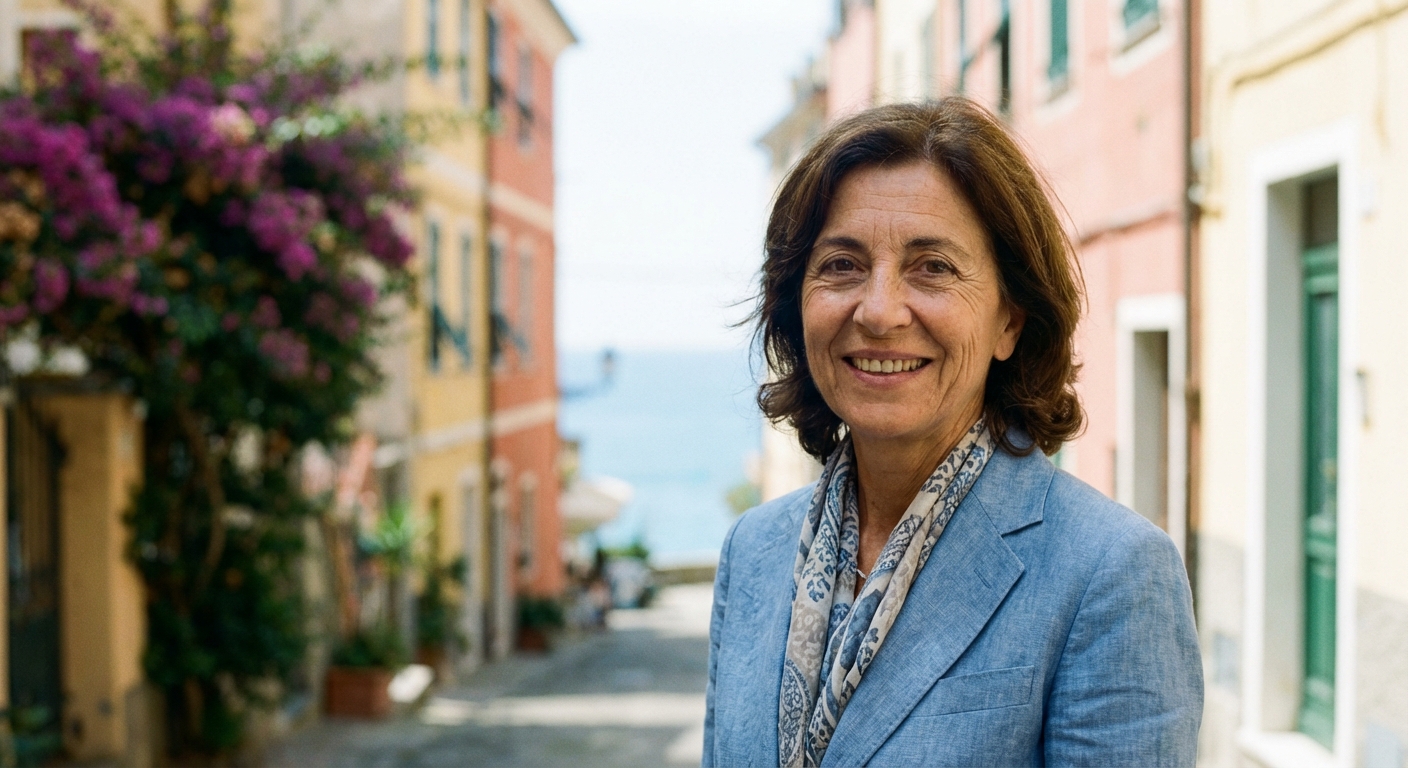
Giulia Rossi
Local Perspective
"March can still bring storms. April is unpredictable—pack layers. But May is golden: warm enough for afternoon swimming, cool enough for morning hikes, and the village isn't yet overwhelmed by summer visitors. This is my favorite month."

Giulia Rossi — Riomaggiore Expert

Essential Information

Location Map

Practical Details

Type
Hiking Season
Editorial Interlude

The Afternoon Sea Breeze

"Around 2pm, the thermal winds pick up. This is when locals know to come inside, when the sea gets choppy, when boat tours can get uncomfortable. Morning calm, afternoon wind—the Mediterranean's daily rhythm. Plan accordingly."

Summer (June-August) Swimming Season
Manarola

Summer (June-August)

"Hot days, warm water, long evenings—the Mediterranean summer that draws millions."

Summer is why Cinque Terre became famous. Temperatures reach 26-30°C. The sea finally warms to swimming temperature (22-24°C). Days are longest—sunset after 9pm in late June. This is also peak season: maximum crowds, maximum prices, reservations essential everywhere.

When the sea finally invites

Giulia Rossi
Local Perspective
"July and August are beautiful but exhausting. The day-trippers start arriving at 10am and don't leave until sunset. If you must come in summer, stay overnight—mornings before 9am and evenings after 7pm are still ours. Those are the real summer hours."

Giulia Rossi — Riomaggiore Expert

Essential Information

Location Map

Practical Details

Type
Swimming Season
Autumn (September-October) Harvest Season
Manarola

Autumn (September-October)

"Golden light, grape harvest, warm water, fewer crowds—what many consider the perfect season."

Autumn is Manarola's secret best season. September holds summer's warmth without summer's crowds. The sea stays swimmable through October. The light turns golden, perfect for photography. And the vendemmia (grape harvest) brings the village together for its oldest tradition.

When the light turns gold

Giulia Rossi
Local Perspective
"September and early October are paradise. Warm enough for swimming, cool enough for hiking, few enough visitors that you can actually get a restaurant table without booking a week ahead. Late October brings the first real storms—dramatic but unpredictable."

Giulia Rossi — Riomaggiore Expert

Essential Information

Location Map

Practical Details

Type
Harvest Season
The Off-Season

November through February is when Manarola becomes itself again. Many restaurants close, many visitors leave, and the village returns to the people who live here year-round.

Winter is real. Not cold by continental standards—temperatures rarely drop below 5°C—but wet. November brings the heaviest rains. December through February can be grey for days. But between storms, winter sun is gentle and beautiful.

The Natività lights up December. Mario Andreoli's illuminated nativity scene on the terraces above the village draws visitors even in the cold season. From December 8 through late January, this is Manarola's winter attraction.

Fewer restaurants, more intimacy. Some establishments close entirely from November to March. Others operate reduced hours. What remains is authentic—the places that serve locals, not just tourists.

Storm watching has its appeal. Big waves crashing against the harbor walls, sea spray reaching the windows, sitting inside with wine and watching the Mediterranean's fury—this is a different kind of beauty.

Local Wisdom

The Evening Layer

"Even in August, the evening can cool quickly once the sun drops behind the mountains. Every local carries a light jacket or sweater to dinner. The tourists eating in shorts are easy to spot—they're the cold ones."

What to Pack Preparation
Manarola

What to Pack

"The essentials change by season, but some things are always necessary."

Year-round: comfortable walking shoes with grip (the stones get slippery), layers for temperature variation between harbor and upper village, sun protection. Summer adds swimwear and water shoes for rocky swimming. Winter adds a waterproof layer and warm evening wear. Spring and fall need both—the weather can shift mid-day.

Where preparation prevents problems

Giulia Rossi
Local Perspective
"The most common mistake: bringing only sandals. Even in summer, you'll want proper shoes for the trails and the steep village paths. The second most common mistake: assuming evening will be as warm as afternoon. Bring a light jacket always."

Giulia Rossi — Riomaggiore Expert

Essential Information

Location Map

Practical Details

Type
Preparation
Reading the Forecast Planning
Manarola

Reading the Forecast

"Mediterranean forecasts are reliable for 3 days, suggestive for 7, and fantasy beyond."

Trust the short-term forecast. Plan hiking for clear mornings. Plan boat trips for calm days. Have backup options for everything. The weather apps work well for basic conditions, but local knowledge—asking at your accommodation or restaurant—gives better insight into what the numbers actually mean for activities.

Where technology meets intuition

Giulia Rossi
Local Perspective
"I use Windy.com for the wind patterns—crucial for boat decisions and swimming comfort. But for whether to hike, I look at the sky in the morning. Clear morning usually means clear day. Hazy morning can go either way. Learn to read the village's weather, not just the app."

Giulia Rossi — Riomaggiore Expert

Essential Information

Location Map

Practical Details

Type
Planning
A Final Reflection

Weather as Opportunity

Bad weather doesn't exist in Manarola—only inappropriate plans. Rain makes the perfect excuse for a long lunch. Wind cancels swimming but enhances wine tasting. Grey days reveal the village without the golden light that draws photographers.

Come when you can, stay flexible, and let the weather guide your activities rather than fighting it. The Mediterranean has been here for millions of years. It knows what it's doing.

Pack layers. Check forecasts. But mostly, trust that whatever weather arrives, Manarola will still be beautiful—just differently beautiful than the day before.