Seeing What Endures
Sights Guide

Seeing
What Endures

Corniglia's attractions aren't monuments built for visitors—they're the structures and spaces that made village life possible for two thousand years. A church, a viewpoint, terraces, stairs. Simple things that reveal everything.

The Essential Sights

You can see everything in Corniglia in two hours if you're efficient. But efficiency misses the point. These aren't things to check off—they're places to understand, each one revealing something about how people built lives on this clifftop.

The church anchors the village. San Pietro has stood here since the 1300s, built on Roman foundations, witnessing every generation of villagers. It's small, plain, and essential—the spiritual center that made community possible.

The terraces explain everything. Walking through the agricultural terraces teaches more about Corniglia than any museum could. Dry-stone walls, steep slopes, vines clinging to impossible angles—this is why the village exists.

The viewpoints reward the climb. Largo Taragio and the Santa Maria belvedere offer perspectives that justify every step up the Lardarina. You see the whole coast laid out, understanding why people chose this difficult place.

The streets are the attraction. Via Fieschi isn't scenic in the postcard sense—it's narrow, ordinary, lived-in. But walking it during morning shopping or evening passeggiata shows village life as it actually functions.

Chiesa di San Pietro Religious Heritage
Corniglia

Chiesa di San Pietro

"The 14th-century parish church—Gothic architecture built on Roman ruins, still serving the community it was built for."

San Pietro sits at the heart of the village, its Gothic facade and rose window marking centuries of worship in this elevated sanctuary. Inside, marble artifacts hint at the Roman settlement that preceded the church. The building is simple but proportioned beautifully; it wasn't built to impress visitors but to serve the faithful.

Where generations gather
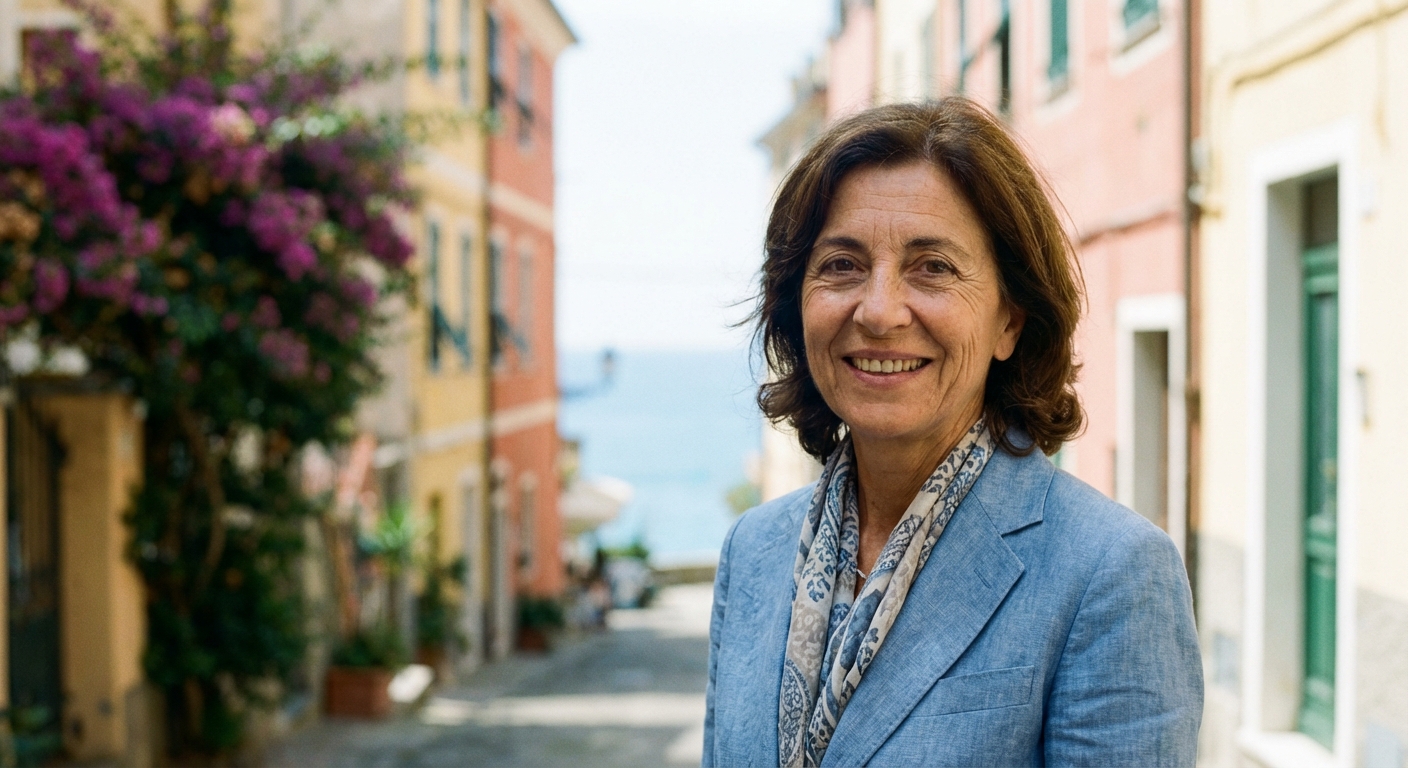
Giulia Rossi
Local Perspective
"I was baptized here, confirmed here, married here. So were my parents and grandparents. The church isn't a tourist attraction to us—it's where the village marks its moments. Visitors are welcome, but understand you're entering a living space, not a museum."

Giulia Rossi — Riomaggiore Expert

Essential Information

Location Map

Practical Details

Type
Religious Heritage
Editorial Interlude

The Terraces as Sight

"UNESCO didn't protect the villages—it protected the terraces. The dry-stone walls stretching across these hills represent more labor than the Great Wall of China. Every wall you see was built by hand, without mortar, by people who believed the landscape could be made to produce. That belief, made physical, is the sight."

Largo Taragio Panoramic Viewpoint
Corniglia

Largo Taragio

"The main terrace overlook—where the village meets the sky and the coast reveals itself in both directions."

This small piazza at the edge of the village opens onto views that stop conversation. North toward Vernazza, south toward Manarola, and across terraces that seem to tumble into the sea. The terrace fills at sunset; come early or stay late for quieter contemplation.

Where the view becomes the point

Giulia Rossi
Local Perspective
"I've watched thousands of sunsets from here and they're never the same. The light changes, the clouds shift, the colors vary. Visitors photograph furiously, but the photographs never capture it. Some things exist only in the moment of seeing them."

Giulia Rossi — Riomaggiore Expert

Essential Information

Location Map

Practical Details

Type
Panoramic Viewpoint
The Lardarina Stairway Historic Structure
Corniglia

The Lardarina Stairway

"377 steps built in 1876 to connect the new railway to the ancient village—a sight you experience with your legs."

When the railway came to Cinque Terre, Corniglia presented a problem: the station sat at sea level, the village 100 meters above. The solution was the Lardarina, a zigzag stairway that turns arrival into journey. Each switchback offers new views; the climb transforms transportation into experience.

Where arrival requires effort

Giulia Rossi
Local Perspective
"The stairs are controversial. Visitors complain; locals shrug. We've always climbed—before the railway, we climbed to the terraces, to the sanctuary above, down to the sea. 377 steps isn't hardship; it's just how life works here."

Giulia Rossi — Riomaggiore Expert

Essential Information

Location Map

Practical Details

Type
Historic Structure
The Hidden Corners

Corniglia's best sights aren't on any map. They're the details you notice when you stop looking for attractions and start looking at the village itself.

The carved doorways. Many village houses have doorframes carved with dates and family symbols—some dating back centuries. These marks of pride and ownership tell stories no guidebook includes.

The garden glimpses. Through gates and over walls, you catch views of private gardens where families grow vegetables on terraces too small for vineyards. These aren't sights in the tourist sense; they're evidence of ongoing life.

The cemetery views. Above the village, the cemetery offers one of the quietest viewpoints—and the experience of seeing where generations of villagers rest, watching over the terraces they worked.

The evening lights. After dark, the village lights glow against the hillside. From the terrace below or the trails above, Corniglia at night becomes something the daytime visitor never sees.

Local Wisdom

The Best Hour

"Every sight in Corniglia looks different at different times. The terrace at sunset. The church in morning light. The stairs at dawn when no one else is climbing. The views don't change, but the experience of them does. See the same thing twice; notice what changed."

The Upper Village Quiet Exploration
Corniglia

The Upper Village

"Above Via Fieschi, the village continues—quieter streets, fewer visitors, the daily life that tourism doesn't reach."

Most visitors stay on Via Fieschi, moving from stairs to viewpoint to restaurant. But Corniglia extends upward, into residential streets where laundry hangs and cats sleep and the village exists for itself rather than for visitors. These aren't sights to photograph; they're spaces to walk through respectfully.

Where the village continues

Giulia Rossi
Local Perspective
"I live up here, in the part visitors skip. It's not more beautiful than Via Fieschi—it's less. But it's where the village actually lives. If you want to understand Corniglia rather than photograph it, walk these quiet streets. Just walk quietly."

Giulia Rossi — Riomaggiore Expert

Essential Information

Location Map

Practical Details

Type
Quiet Exploration
Volastra Sanctuary Path Day Walk
Corniglia

Volastra Sanctuary Path

"The trail to Volastra climbs through terraces to a hill village with sanctuary church—where agricultural heritage meets spiritual practice."

An hour's climb from Corniglia reaches Volastra, a tiny village centered on the sanctuary of Nostra Signora della Salute. The walk passes through active vineyards; the destination offers a bar, a church, and views that make Corniglia's elevation seem modest. This isn't a sight in Corniglia—it's a sight from Corniglia.

Where walking becomes seeing

Giulia Rossi
Local Perspective
"The sanctuary has been receiving pilgrims for centuries. We walked here as children, praying for good harvests or healthy family. It's less about the destination than the walking—moving through the landscape our ancestors made, arriving at the place they prayed."

Giulia Rossi — Riomaggiore Expert

Essential Information

Location Map

Practical Details

Type
Day Walk
A Final Reflection

Seeing Simply

Corniglia doesn't compete with cities that have museums and monuments. Its attractions are elemental: a church where people pray, a viewpoint where they pause, terraces where they work, stairs they climb.

The simplicity is the point. These aren't things built to attract visitors—they're things built because people needed them. Visiting means seeing what need and tradition created over centuries.

Take your time. Walk slowly. Notice details. The carved doorway, the garden glimpse, the way light falls on stone at different hours. Corniglia's sights reveal themselves to attention, not to efficiency.